
Australia’s longest rail trail. 161 km of pure adventure.
The Brisbane Valley Rail Trail (BVRT) is where Queensland’s country charm meets wide‑open adventure. Stretching 161 km from Wulkuraka to Yarraman, it’s Australia’s longest rail trail — a journey through big skies, rolling farmland, heritage railway history, and the warm hospitality of classic country towns.
Whether you’re walking, cycling, or horse riding, the BVRT offers something special: a sense of freedom, space, and discovery that’s hard to find anywhere else.
🌿 What Makes the BVRT Unique
🚴 Activities
The trail welcomes walkers, cyclists, and horse riders. Cycling is the most popular way to explore, with gravel and mountain bikes the best choice for the varied terrain.
🛤️ Terrain & Trail Surface
Following a disused railway corridor, the BVRT features mostly compacted gravel with some rocky and rougher sections — especially through the Blackbutt Range and between Yarraman and Nukku. Road bikes aren’t suitable, but gravel and mountain bikes thrive here.
🌄 Scenery & Sights
Expect a constantly changing backdrop:
- open farmland
- forested corridors
- sweeping valleys
- historic railway stations
- old timber bridges
- heritage‑listed structures
It’s a trail rich in stories and character.
🏘️ Trail Towns & Services
The BVRT links a string of welcoming country towns — Fernvale, Lowood, Esk, Toogoolawah, Moore, Linville, Blackbutt, and Yarraman.
You’ll find:
- cafés and pubs
- accommodation
- bike‑friendly services
- local shops and supplies
Perfect for day trips or multi‑day adventures.
🕒 Ride Your Way
Choose your own style of adventure:
- Day trips for a quick escape
- Overnight or multi‑day journeys
- Shuttle services for one‑way rides
- Self‑guided tours for extra support
🧭 Preparation & Safety
🥤 Self‑Sufficiency
Some sections between towns are remote. Be prepared to look after yourself if something goes wrong. Carry:
- plenty of drinking water
- a first aid kit (including a snake bite bandage)
- basic bike tools and puncture repair gear
- an EPIRB/PLB if you want extra peace of mind
📱 Mobile Coverage
Coverage is generally good, but there are black spots. Telstra provides the most reliable service along the trail.
⚠️ Trail Conditions
Weather can affect the trail surface, creek crossings, and access. Always check for closures or alerts before you go.
🐦 Magpie Season
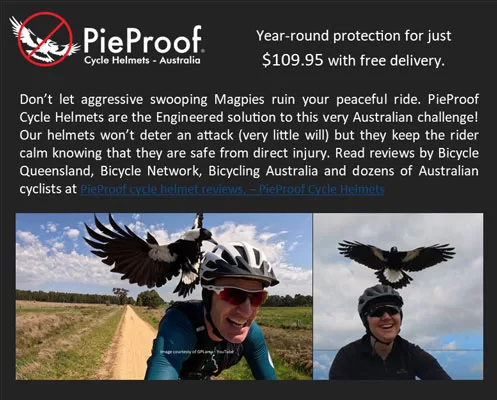
From August to December, male magpies may swoop to protect their nests.
Stay safe by using:
- a hat or helmet
- bird‑scarer tape
- a Da Brim or Pie Proof helmet for extra protection
🚴♀️ Bike Choice
A gravel or mountain bike is ideal for the BVRT’s mixed surfaces. You’ll appreciate the stability, comfort, and versatility on the rougher sections.
🌟 A Trail for Everyone
Whether you’re chasing a personal challenge, a relaxed weekend ride, a family adventure, or a chance to explore Queensland’s country heart, the BVRT offers an unforgettable experience.